This is a Photovoice Project undertaken in the Battle River Watershed to promote awareness and encourage people to connect to the watershed. Photos were taken by various people throughout the watershed after being asked what the watershed means to them.
These are my oldest boys playing in Stoney Creek.They are having so much fun that they do not know how much they are learning.These outdoor spaces that are clean for kids to play in create an important connection for kids to the natural environment.An elder once said that you must first teach people to love the land before you teach them to protect it.I can tell you that my boys are loving this as I did when I was their age and still do.
This is a negative picture because it is a oil or gas compressor station that looked like it may be abandoned and ruins the scenery and degrades the environment.
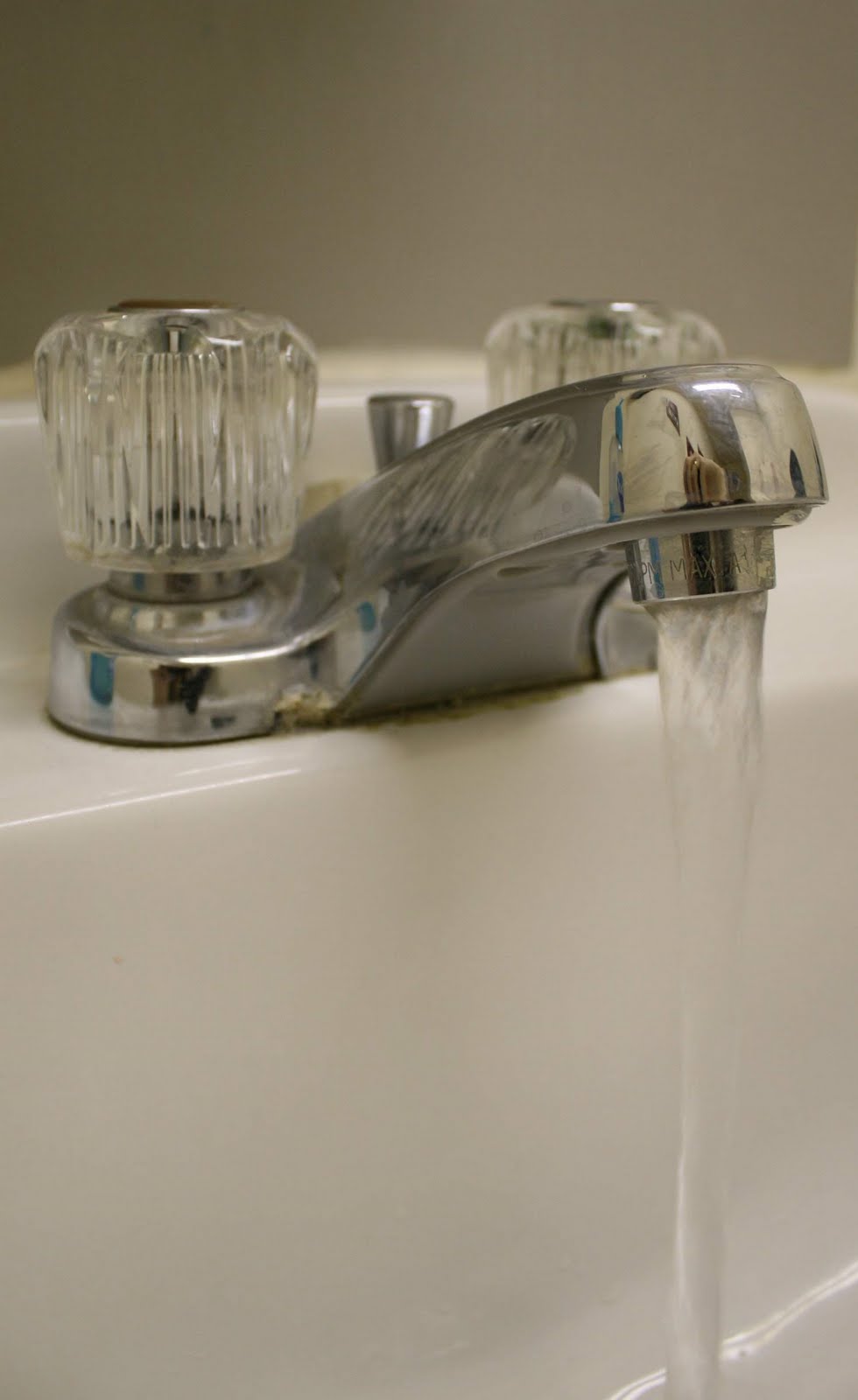
Though it sounds harsh to say it, my most immediate connection with the Battle River watershed is probably through the tap. On a superficial level, this is the water source that sustains me, day in and day out. The deeper reality of where this water comes from, the condition it is in, and where it goes after it reaches me, is, for the most part, completely forgotten or not even considered. There is a profound disconnect between the water I use every day and the landscape that surrounds me.Because the water I interact with on a daily basis enters and leaves through pipes, I don’t have to consider the broader context and implications of my actions. This is something I feel must change. How can we connect people back to the landscape from which essential life sources such as water come?
What strikes me most is the noise of birdsong.I say noise carefully, but it is so loud I can’t call it anything else.Behind me they are flitting through trees, bright sunlight drawing them out after a week of fog that coated everything in glittering ice.
There is a cattle pen, empty and waiting for expectant mothers.But behind that, is hope; at least to me.Behind the pens, pasture, and a line of planted spruce is a scrap of native bush.Maybe I’m an optimist because some people might say, “that’s all that’s left?!”I say, “that HAS been left.”It is an island of hope that with a desire to preserve, pieces of native ecosystem remain.They are the hope for re-genesis.If I turn in a circle I can see, from this small spot, at least three more patches, larger than most others around this area.
This patch of bush that you might never remark on while driving by, is fenced away from the destructive forces that have claimed other native areas.In the spring it fills with water that is maybe past ankle deep in a wet year.You should hear the noise of birdsong then.Even when pasture is short in the dry years we have, only a pair of horses might be allowed to graze there, but only in the summer, when the birds that nest there have fledged their young and the water has retreated beyond sight.Then those hard hooves won’t cut into the sod made tender by spring water or crush nests of birds that have come back to this spot for another year.A moose passes through.I could tell you about the fawn I nearly tripped over last summer; it was hidden so well in the still-tall grasses and fallen trees left to decay into usefulness.It shocks me every time.It is so alive.
This is a treasure.They exist here and there.When I see wetlands drained, I try to think about the places left.It gives me hope that the habit of draining wetlands and pushing over trees will stop and then, reverse.This scrap of bush is where we might begin to repopulate from, with poplar and dogwood, roses and willow.
I took this one because it is a forested area of Buck for Wildlife that protects habitat for wildlife which allows for a diverse amount of species to survive in an area like this which is great for surrounding environments.